






Back to Blog
How Air Quality Governs Your Circadian Rhythm

Start shopping to qualify for free shipping!
This website uses cookies to improve your experience. By continuing to use our website you are consenting to our cookie policy.
In the pursuit of wellness, we often focus on the visible pillars of health: the minutes spent exercising, the weights we lift, and the nutrition on our plates. However, there is an invisible architect shaping our physical and mental well-being every single day. This is the circadian rhythm, the internal 24 hour clock that regulates everything from hormone release to body temperature. [1]
While light exposure is the most well-known regulator of this internal clock, emerging science suggests that the air we breathe plays a critical role in how well we sync with our natural cycles [2]. For those seeking a holistic approach to health, understanding the intersection of air quality and circadian biology is an important part of the wellness puzzle.
The circadian rhythm is a natural, internal process that repeats roughly every 24 hours. [3] It is managed by the suprachiasmatic nucleus (SCN) in the brain, which responds to environmental cues [4]. When these cues are consistent, our bodies function like a well-oiled machine. We feel alert in the morning, maintain steady energy throughout the afternoon, and experience a natural dip in cortisol and a rise in melatonin as evening approaches.
When this rhythm is disrupted, the consequences extend far beyond simple tiredness. [5] Chronic circadian misalignment is linked to metabolic issues, reduced cognitive function, and a weakened immune system [6]. Achieving "circadian health" means optimising our environment to support these natural ebbs and flows.

It is common knowledge that a room should be cool and dark for optimal sleep, but we often overlook the chemical and particulate makeup of the air. Research has shown that poor indoor air quality, specifically high levels of particulate matter (PM2.5) and Carbon Dioxide (CO2), can significantly fragment sleep [7].
When we breathe in pollutants, the body experiences low level systemic inflammation. This physiological stress can interfere with the transition into deep, restorative REM sleep. Furthermore, allergens such as dust mites, pet dander, and pollen can cause respiratory micro-disturbances [8]. Even if you do not fully wake up, these disturbances can prevent you from reaching the deepest stages of sleep, effectively "tricking" your circadian clock into thinking the body is under stress rather than at rest.
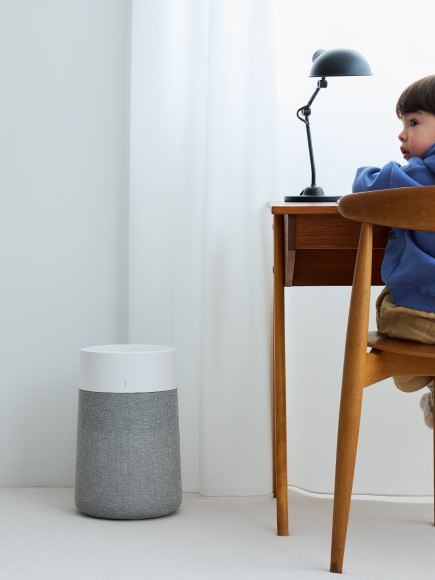
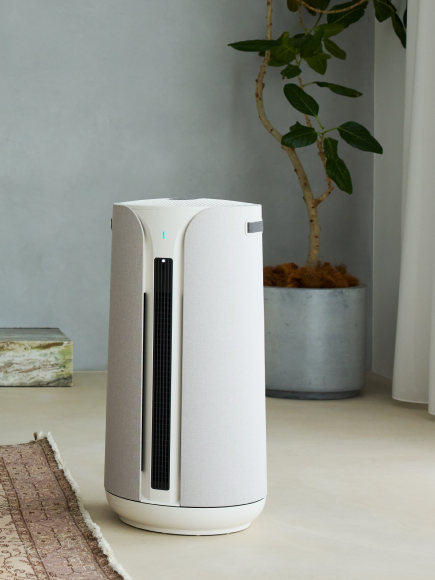
To align your environment with your biological needs, the first step is purification. The Blue Signature range represents a pinnacle in air filtration technology, designed to handle the heavy lifting of environmental wellness.
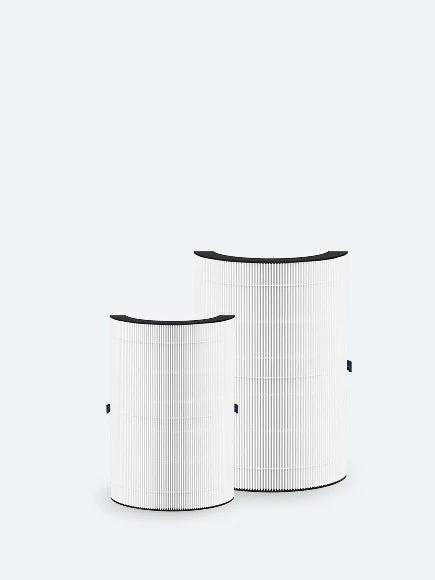
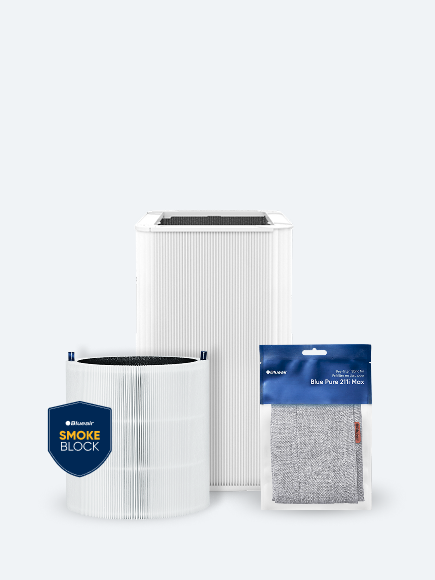
The Blue Signature uses HEPASilent™ technology, which combines electrostatic and mechanical filtration. This is vital for circadian health because it removes 99.97% of airborne particles, such as smoke, dust, and viruses, down to 0.1 microns [9]. By removing these inflammatory triggers from your living space, you allow your nervous system to exit "alert mode" and enter a state conducive to rest.
Moreover, the Signature series is designed with the user's sensory environment in mind. A loud, intrusive machine can be just as disruptive to a sleep cycle as a pollutant. The Signature operates at a whisper quiet decibel level, ensuring that the auditory cues in your environment remain stable and peaceful [10].

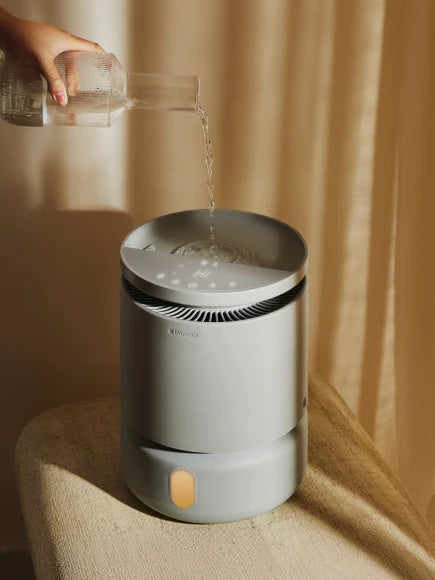
While purification removes the "bad," humidification adds the "good." The transition into sleep involves a slight drop in core body temperature. [11] If the air in your bedroom is too dry, it can irritate the nasal passages and throat, leading to mouth breathing and increased heart rate, both of which are antithetical to a healthy circadian dip [12].
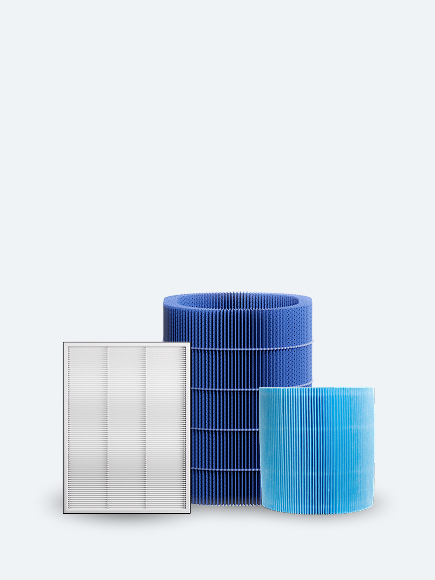
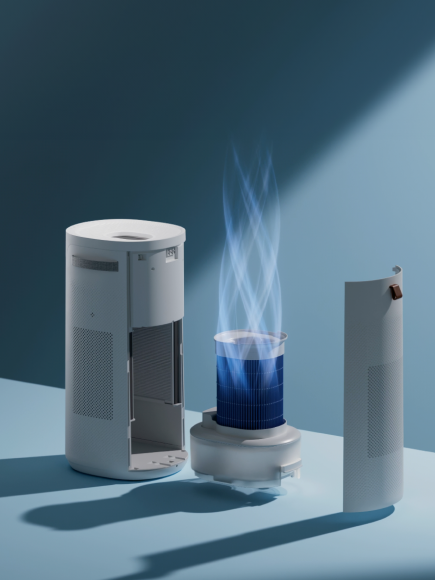
The DreamWell Humidifier is engineered to maintain the delicate balance of moisture required for respiratory comfort. By keeping the mucous membranes hydrated, the DreamWell helps prevent the "dry mouth" wakeups that often happen in the early hours of the morning. This consistency is key to staying in the sleep cycle longer, allowing your brain to complete the vital glymphatic drainage that occurs during deep rest.
Wellness is not just about the large living spaces, it is about the immediate "breathing zone" where you spend eight hours of your night. This is where the Blue Mini Restful becomes an essential tool.
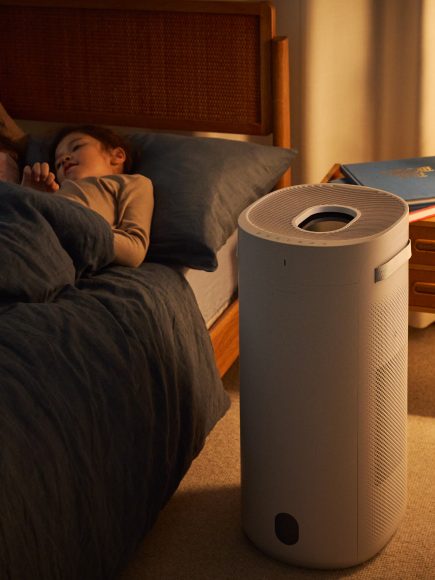
Small enough to sit on a bedside table, the Mini Restful is designed to create a clean air bubble exactly where you need it most. Its aesthetic, featuring soft, earthy tones, aligns with the principles of neuro-aesthetic wellness, avoiding the harsh medical look of traditional appliances. When your environment looks and feels calm, your brain receives the signal that it is safe to down-regulate.
The Mini Restful also features a sunrise alarm clock and a night mode [13]. This ensures that no artificial light pollution disrupts your melatonin production. Even a small LED light can interfere with the SCN's perception of "night," making dimmable or hidden displays a non-negotiable feature for those serious about their circadian rhythm.

To get the most out of your Blueair products and your biology, consider this daily wellness workflow:
1. Morning Alignment: Upon waking, use the sunrise light on your Mini Restful to signal the start of the day to your brain. Open your windows for ten minutes to let in natural light and fresh air.
2. Evening Wind-Down: Two hours before bed, turn on your DreamWell Humidifier and your Blue Mini Restful. This "pre-treats" the air, ensuring that when you step into the room, the humidity and purity levels are already at their peak.
3. Night Time Silence: Ensure all devices are on their lowest, quietest settings. The goal is a sensory neutral environment where your body can focus entirely on cellular repair.
[1] https://www.niehs.nih.gov/research/supported/success/2024/rajagopalan#:~:text=5%20exposure%20can%20lead%20to,%2C%20body%20temperature%2C%20and%20metabolism.
[2] Long term exposure to air pollutants like PM2.5 has been shown to disrupt circadian signaling pathways, potentially increasing risks for metabolic diseases like type 2 diabetes. https://pmc.ncbi.nlm.nih.gov/articles/PMC12625595/#:~:text=Laboratory%20investigations%20indicate%20that%20ambient,ambient%20air%20pollutants%20and%20T2D.
[3] https://www.niehs.nih.gov/research/supported/success/2024/rajagopalan#:~:text=Research%20suggests%20that%20night%2Dshift,research%20team%20wondered%20if%20PM2.
[4] The Suprachiasmatic Nucleus (SCN) acts as the body's master clock, coordinating all biological rhythms.
[5] https://www.niehs.nih.gov/research/supported/success/2024/rajagopalan#:~:text=Research%20suggests%20that%20night%2Dshift,research%20team%20wondered%20if%20PM2.
[6] Circadian disruption is a known risk factor for cardiovascular disease and reduced cognitive resilience in later life. https://www.niehs.nih.gov/research/supported/success/2024/rajagopalan#:~:text=Research%20suggests%20that%20night%2Dshift,research%20team%20wondered%20if%20PM2.
[7] Studies in 2024 and 2025 have confirmed that nightly CO2 concentrations above 900 ppm correlate with reduced deep sleep times and next day cognitive impairment. https://www.niehs.nih.gov/research/supported/success/2024/rajagopalan#:~:text=Research%20suggests%20that%20night%2Dshift,research%20team%20wondered%20if%20PM2.
[8] Indoor allergens cause sub-clinical arousals (micro-awakenings) that the sleeper may not remember but which reduce total REM duration.
[9] Standard HEPA filters capture down to 0.3 microns; Blueair’s HEPASilent™ is specifically tested down to 0.1 microns for finer particulate removal.
[10] The Blue Signature is Quiet Mark certified, meaning it operates at noise levels that do not interfere with standard sleep stages.
[11] https://pmc.ncbi.nlm.nih.gov/articles/PMC10293115/#:~:text=Cooling%20of%20core%20body%20temperature,20
[12] Optimal indoor relative humidity for sleep is maintained between 40% and 60% to support the mucociliary clearance system.
[13] The Blue Mini Restful integrates a wake-up light, sound machine, and air purifier to support the full sleep-wake cycle.
1. Li, J., et al. (2025). Air pollution and sleep quality: A metastudy of 1.2 million participants. Johns Hopkins University / Health Tech World.
2. Duffy, J. F., & Czeisler, C. A. (2009). Effect of Light on Human Circadian Physiology. Sleep Medicine Clinics.
3. University of Bristol (2025). Air pollution associated with worse heart health in early adulthood. Avon Longitudinal Study of Parents and Children.
4. Hupli, S. (2024/2025). Sleep and Carbon Dioxide: How Bedroom CO2 Affects Rest. Building and Environment Study / Ruuvi Research.
5. Sleep Foundation (2024). Humidity and Sleep: Optimize Your Sleep Environment.
6. Blueair Technical Specifications (2025). HEPASilent™ Technology and Product Comparison Data. Blueair.co.uk.
7. Ideal Home (2025). Blueair Mini Restful Sunrise Clock Air Purifier: Bedside Wellness Review.
8. Panasonic Healthy Living (2025). Breathe better, sleep deeper: How airflow and humidity impact rest.