






Back to Blog
Improve Indoor Air Quality at Home: Tackling Allergens and Pollutants with Classic Pro

Start shopping to qualify for free shipping!
This website uses cookies to improve your experience. By continuing to use our website you are consenting to our cookie policy.
The first thing that comes to mind when most people think about air pollution is busy roads, industrial emissions and city smog. However, the air inside our homes can often be more polluted than outdoors, containing a surprising range of pollutants, from dust and pollen to pet dander, cooking fumes and airborne chemicals. For many households, improving indoor air quality at home has become an increasingly important part of creating a cleaner, more comfortable living environment.
Modern homes are designed to be more energy efficient than ever before with improved insulation and draught-proofing to help reduce energy consumption. One consequence of this is that it also limit natural airflow, allowing pollutants to remain trapped indoors for longer periods. As a result, many homeowners are looking at practical ways to improve indoor air quality and create healthier living spaces for their families.

Indoor air quality is influenced by a wide range of everyday activities and environmental factors. Even well-maintained homes can accumulate airborne particles that affect comfort and cleanliness.
Some of the most common sources of indoor pollutants include:
Many of these particles are microscopic and can remain suspended in the air long after they have been introduced into the home. This means that regular cleaning alone may not always be enough to address everything circulating indoors.
Poor indoor air quality can affect the overall comfort of a home. Dust can settle more quickly on surfaces, cooking smells may linger and seasonal allergens can remain airborne long after they enter the property.
This can be particularly noticeable during peak pollen seasons when outdoor allergens easily find their way indoors. Homes with pets may also experience increased levels of airborne pet dander, while open-plan living areas can allow cooking emissions to travel more freely throughout the property.
mproving indoor air quality is not simply about keeping a home looking cleaner. It is about managing the invisible particles that can affect how comfortable a space feels day to day.

Regular vacuuming, dusting and washing of soft furnishings can help minimise the build-up of airborne particles. Using a vacuum cleaner with an effective filtration system can further reduce the amount of dust that is recirculated into the room.
Opening windows when outdoor conditions allow can help introduce fresh air and reduce the concentration of indoor pollutants. Extractor fans in kitchens and bathrooms can also play an important role in removing moisture and airborne contaminants.
Excess humidity can encourage mould growth and create conditions where dust mites thrive. Maintaining balanced humidity levels can help create a more comfortable home environment.
Where possible, choosing lower-emission household products and limiting activities that generate smoke or strong chemical odours can contribute to cleaner indoor air.
Even with good cleaning and ventilation habits, some airborne particles remain difficult to remove. Air purifiers can provide continuous filtration, helping to reduce pollutants that everyday cleaning may not reach.

With many models available, it is worth understanding the features that can make the biggest difference.
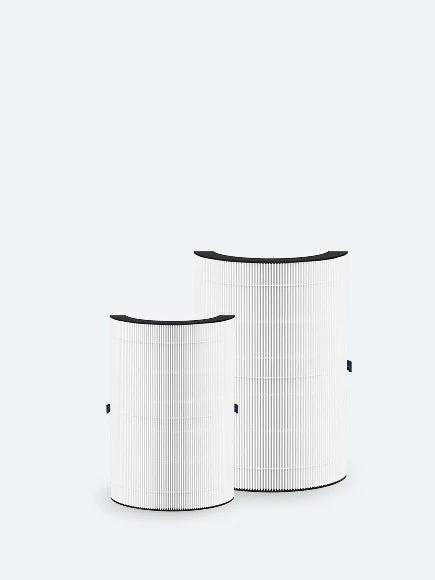
Effective filtration should be capable of capturing fine airborne particles such as pollen, dust, smoke and pet-related allergens. Systems that combine multiple filtration methods can often help improve performance while maintaining energy efficiency.
An air purifier should be appropriately sized for the space in which it will be used. Larger living rooms and open-plan areas benefit from systems designed to process greater volumes of air.
Integrated sensors can continuously monitor indoor air quality and automatically adjust performance when pollution levels rise, providing a more hands-off user experience.
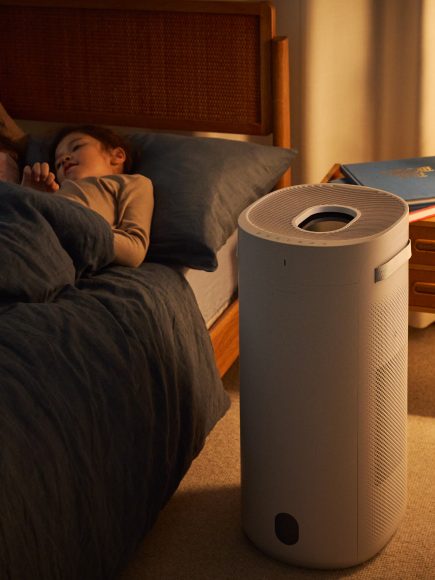
Because air purification is most effective when operating consistently, quieter operation can make it easier to use a purifier throughout the day and overnight.

Air purifier technology has evolved considerably in recent years. While traditional systems focus purely on filtration, some newer designs incorporate additional technologies intended to support cleaner indoor environments.
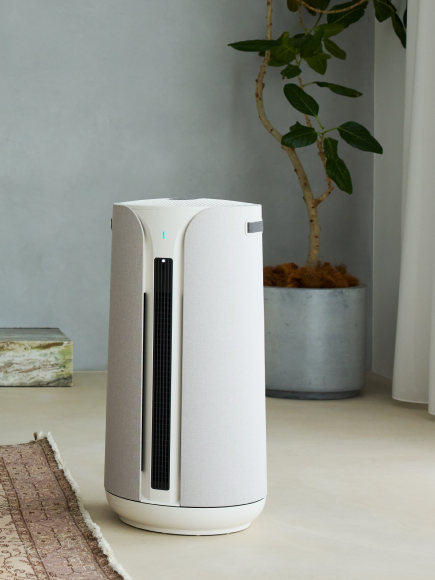
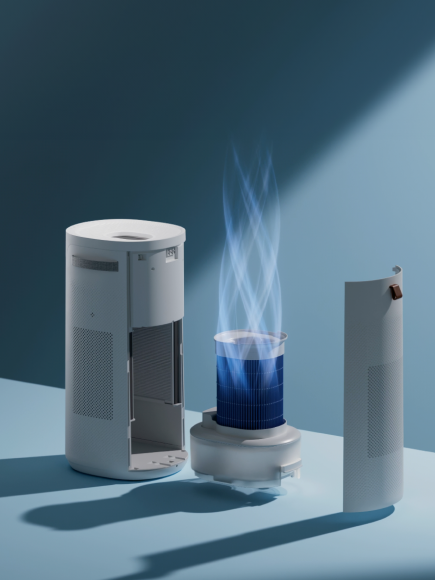
The Blueair Classic Pro range is one example. Developed for larger domestic spaces, the range combines Blueair's HEPASilent™ filtration technology with HINS lighting technology. This system uses visible blue light to help neutralise germs that are captured on the filter, providing an additional layer of innovation beyond particle filtration alone.
The use of visible blue light is particularly interesting because it represents a different approach to managing contaminants that have already been captured. While many air purifiers focus solely on trapping particles, this technology is designed to help maintain cleaner filter conditions over time.
At the same time, the Classic Pro range remains focused on the fundamentals of air purification. Its filtration system is designed to remove up to 99.97% of airborne particles down to 0.1 microns, including pollen, dust, smoke and pet-related allergens.
For many families, one of the primary reasons for improving indoor air quality is to reduce exposure to airborne allergens.
The Blueair Classic Pro CP7i has earned Asthma & Allergy Friendly® Certification through independent testing conducted by the Asthma and Allergy Foundation of America (AAFA) and Allergy Standards Limited (ASL). Products that receive this certification must demonstrate their ability to significantly reduce airborne allergens under rigorous test conditions.
This independent recognition helps highlight the growing importance of effective allergen management within the home, particularly for households looking to reduce pollen, pet dander and dust-related irritants.
Improving indoor air quality at home is rarely about relying on a single solution. Instead, it is usually achieved through a combination of good housekeeping habits, effective ventilation and thoughtful management of indoor pollution sources.
As homes continue to become more energy efficient and people spend increasing amounts of time indoors, the quality of the air within our living spaces is likely to remain an important consideration. Technologies such as smart air monitoring, advanced filtration systems and innovative blue-light filter treatment are helping to make cleaner indoor air more accessible than ever.
Whether the goal is reducing seasonal allergens, managing pet-related particles or simply creating a fresher home environment, taking steps to improve indoor air quality can contribute to a more comfortable and enjoyable living space for the whole family.
