






Back to Blog
Preparing for Pollen Season: Your Guide to a Healthier Home

Start shopping to qualify for free shipping!
This website uses cookies to improve your experience. By continuing to use our website you are consenting to our cookie policy.
We all look forward to the arrival of Spring, longer days, warmer temperatures, and the countryside bursting back into life. But for the estimated 13 million hay fever sufferers across Britain, that same season brings sneezing fits, itchy eyes, and weeks of misery. The good news is that preparing for pollen season doesn't have to be a last-minute scramble. With the right habits and the right tools in place, you can significantly reduce the impact that high pollen counts have on your daily life, especially inside your home.
Not all pollen is created equal, and not all of it arrives at the same time. The UK pollen calendar is essentially a relay race that runs from late winter all the way through to early autumn, with different plants passing the baton throughout the year.
Tree pollen is the first to arrive, typically beginning in late February and running through to late May. In the UK, Birch is one of the biggest culprits and is responsible for triggering symptoms in a large proportion of hay fever sufferers. Alder, hazel, and oak also contribute heavily during this early spring window.
Next comes grass pollen, which tends to be the most problematic for the widest number of people and hits its peak between late May and July. This is the period that most people associate with classic hay fever symptoms, and pollen counts during warm, dry, breezy days can reach extremely high levels.
Weed pollen rounds out the season from late summer into early autumn, with mugwort and nettle being particularly common in the UK. While fewer people are affected by weed pollen compared to grass or tree varieties, it can still cause significant discomfort.
The timing and severity of each season varies year to year depending on weather patterns. A warm, dry spring will often bring an early and intense pollen season, while a wet, cool spring tends to suppress it. Paying attention to the Met Office's pollen forecast and keeping an eye on daily counts in your area is a smart habit to get into once preparing for pollen season becomes part of your annual routine.

Your home should be your sanctuary, a place where you can breathe easy regardless of what's happening outside. But without some preparation, pollen can find its way in through doors, windows, clothing, and pets, building up on surfaces and in the air until the inside of your home becomes just as problematic as outside. Here's how to get ahead of it.
One of the simplest and most effective steps you can take is a thorough deep clean before tree pollen season begins in earnest. It is possible that pollen can linger on soft furnishings from the previous year, so vacuuming thoroughly, ideally with a HEPA-filtered vacuum, and washing soft furnishings on a hot cycle will help you start the season fresh. Pay particular attention to bedrooms, since the quality of your sleep can be seriously affected if pollen accumulates on your bedding.
Fresh air is important, but during high pollen days, opening your windows at the wrong time can flood your home with airborne particles. Pollen counts are typically highest in the morning and early evening, so if you do want to ventilate your home naturally, midday or late morning tends to be slightly better. When counts are very high, keeping windows and doors closed as much as possible and relying on filtered air is a far more effective strategy.
Every time someone enters your home, they bring pollen with them on their clothes, hair, and skin. Setting up a simple entry routine can make a real difference. Removing shoes and outer layers at the door, washing hands and face upon arrival, and changing clothes after spending time outdoors all reduce the amount of pollen that migrates from outside into your living spaces.
If you have a dog or cat, pollen-catching on fur is worth taking seriously too. Wiping pets down with a damp cloth before they come inside, or brushing them regularly outdoors, can meaningfully reduce how much pollen they bring in with them.

While behavioural changes help reduce pollen getting in, they can never fully prevent it. Pollen particles are microscopic, and even with the best entry protocols in place, they will still find their way inside.
This is where air purification becomes one of the most powerful tools available to allergy sufferers.
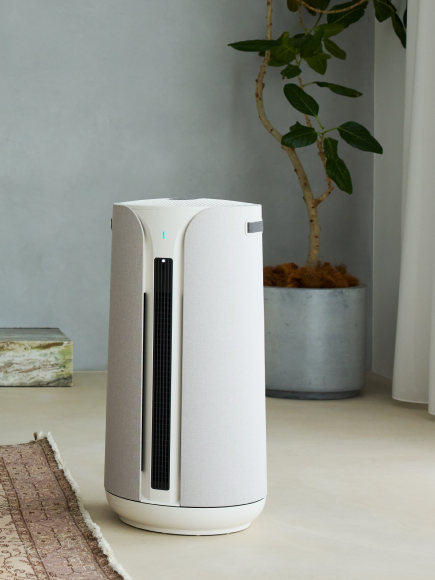
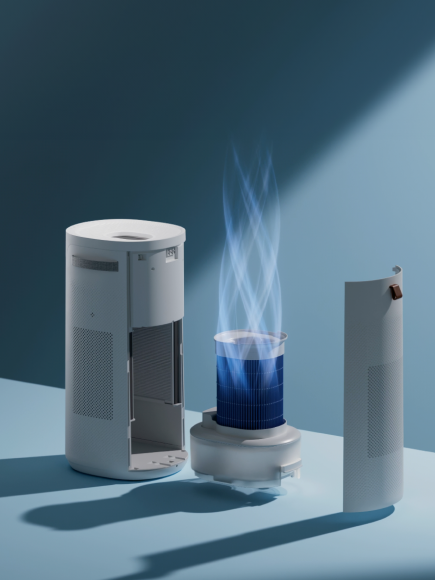
A high-quality air purifier with a HEPA filter is specifically designed to capture airborne particles, including pollen, ideally cleaning the air in a room multiple times per hour, trapping particles that would otherwise circulate through your breathing space. Unlike surface cleaning, which addresses pollen that has already settled, an air purifier tackles the particles while they are still suspended in the air, before they can trigger a reaction. Blueair uses a HEPASilent filter that is less dense than a traditional HEPA filter and which allows the air purifier to run at lower power while still providing award winning purification.
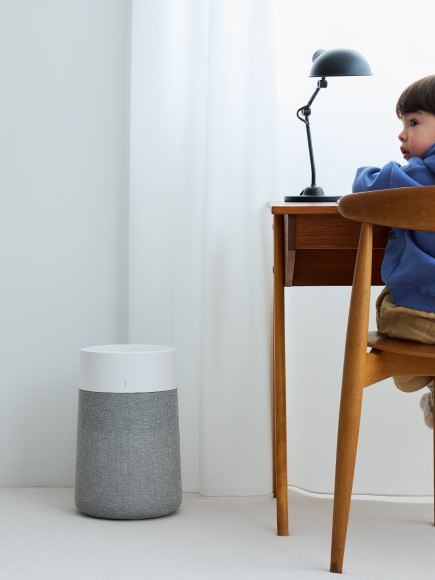
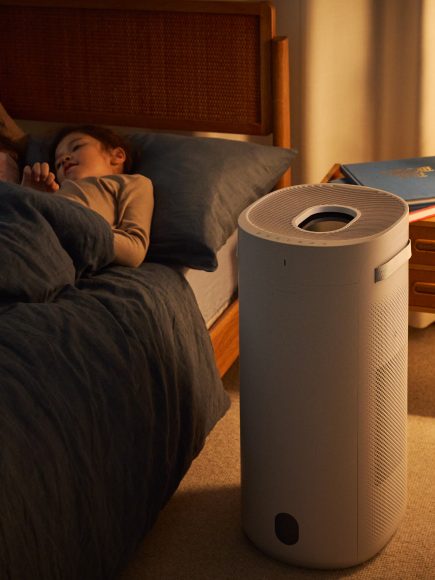
For the best results, placing an air purifier in the rooms where you spend the most time is key. Your bedroom is arguably the most important room to target, you spend roughly a third of your life there, and breathing cleaner air throughout the night gives your body a real chance to recover. Living rooms and home offices are also high-priority spaces.
The size of the purifier matters too. A unit rated for a small room will struggle if placed in a large, open-plan living space, so always match the device's Clean Air Delivery Rate (CADR) to the square footage of the room you're placing it in.

If you're one of the many households that already owns an air purifier, preparing for pollen season means making sure it's actually ready to do its job. A filter that hasn't been replaced in over a year, or one that's been running continuously through winter without maintenance, may be significantly less effective than it should be, and in some cases, a clogged filter may even begin to release captured particles back into the air.
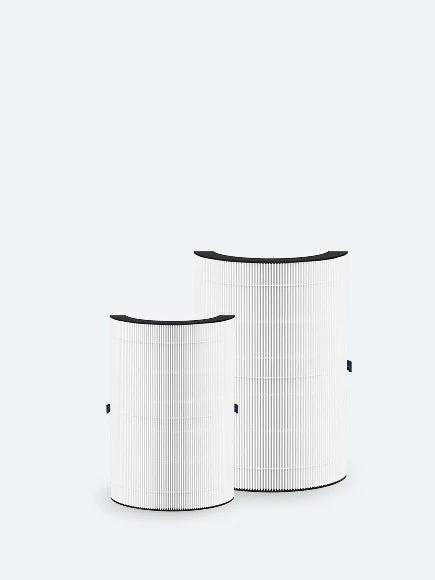
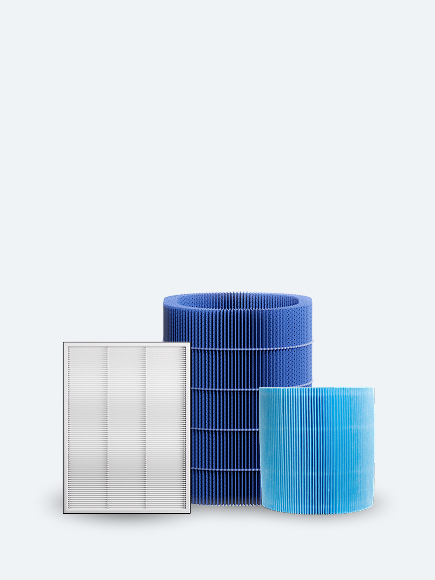
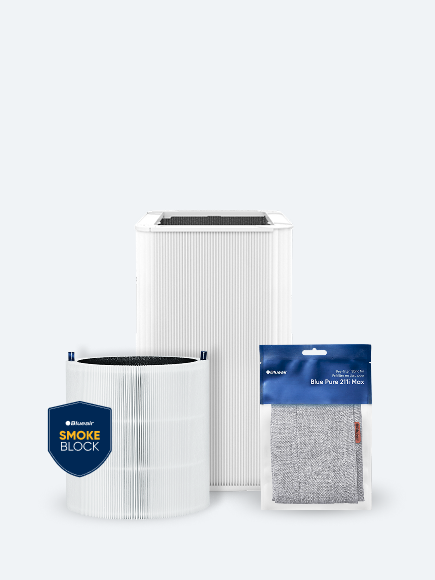
Check your filter replacement schedule. Most Blueair filters are designed to last between six months and a year under normal use, but if you've been running your purifier frequently or you live in an area with higher-than-average pollution or dust levels, the filter may need replacing sooner. Check the manufacturer's guidelines for your specific model. On several smart Blueair purifiers, you can check the Blueair app to monitor the filter and be alerted when it needs changing.
Don't wait until symptoms start to replace your filter. There's a temptation to replace the filter once you've noticed your hay fever kicking in, but at that point the season is already underway and you've lost much the protection you should have had. If your filter is due for replacement soon, consider changing it before tree pollen season begins, ideally in late February.
Clean the pre-filter if your model has one. Most Blueair air purifiers include a washable pre-filter that captures larger particles like dust and pet hair. Cleaning this regularly not only extends the life of your HEPA filter but also ensures airflow through the unit remains strong. A blocked pre-filter reduces the effectiveness of everything downstream.
Run your purifier before the season peaks. Getting into the habit of running your purifier consistently, rather than only on high-pollen days, means cleaner baseline air quality in your home throughout the season. Many modern purifiers include auto mode settings that adjust fan speed based on real-time air quality readings, letting these run on auto takes the guesswork out of day-to-day management.
Preparing for pollen season is most effective when you treat it as a layered strategy rather than a single fix. Air purification provides a powerful and continuous line of defence against airborne particles, but combining it with a pre-season deep clean, smart ventilation habits, a consistent entry routine, and timely filter maintenance creates a genuinely resilient environment that works for you throughout the entire season.
The earlier you start, the better. Rather than reacting once your symptoms have already taken hold, getting your home ready ahead of the first tree pollen peaks means you go into the season protected, and for many allergy sufferers, that can make the difference between genuinely enjoying spring and simply enduring it.
Looking for the right air purifier for your home? Explore the Blueair range to find the model suited to your space and
filtration needs.